

스스로 배관을 점검하는 위젯: probe_url, verifier agent, 무료 수리 한 번
죽은 위젯의 최대 원인은 상상의 API에 맞춰 쓴 코드였습니다. 이제 builder가 쓰면서 endpoint를 fetch하고, verifier가 건너뛴 것을 re-probe하며, 처음 45초 crash는 자동 fix 한 turn을 삽니다.
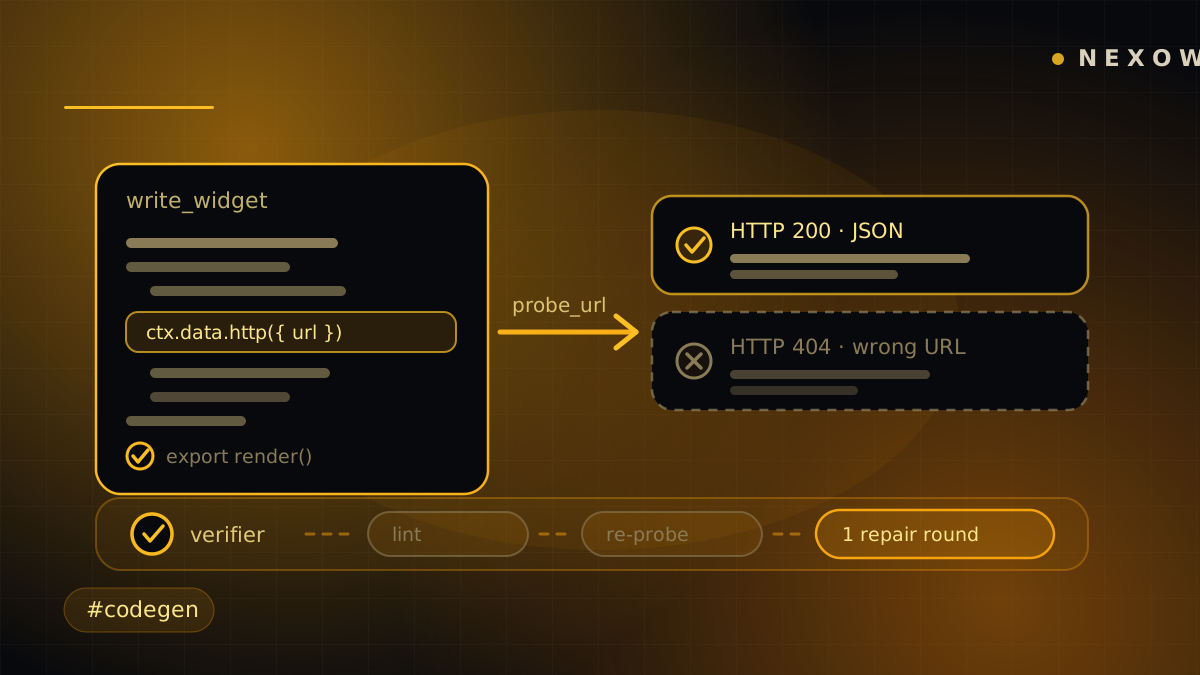
생성 위젯이 실패하는 가장 흔한 방법은 생성 코드의 bug가 아니었습니다. 존재하지 않던 endpoint였습니다.
모델이 memory의 URL — 또는 링크가 documentation page인 directory row — 에서 응답 shape를 추측하고, 그 추측에 맞춰 parsing code를 쓰고 ship했습니다. 영원한 spinner나 빈 차트, 화면에는 이유가 없었습니다.
이 릴리스는 그 루프를 세 번 닫습니다: 쓰는 동안, 쓴 직후, 여전히 crash하면 한 번 더.
쓰는 동안: probe_url
builder에 지금 public keyless endpoint에 GET하는
tool이 있습니다. runtime의 ctx.data.http()와 같은
server proxy를 거치며, real HTTP status와 response
body를 돌려줍니다.
그 동일성이 전부입니다. 성공한 probe 는 성공한 runtime call입니다. 실패한 probe는 broken으로 ship될 widget — canvas가 아니라 turn이 남을 때 실패합니다.
builder는 memory가 아니라 타는 ladder 맨 아래에 있습니다: venue reference docs 먼저, 그다음 47 category 691 keyless public API directory, 각 entry name 과 description으로 topic 검색 — real request (「조석」, 「공기질」)는 category guess와 잘 맞지 않습니다. scope와 무관하게 builder에 항상 — universal keyless fallback. 링크는 documentation, 마지막 단계는 항상 같음: endpoint derive, probe.
「X 데이터 있나?」는 추론이 아니라 보는 질문입니다. ladder 끝에서 실제로 확인 후 no는 fine outcome. memory assert는 not, 그리고 느낌보다 훨씬 자주 틀렸습니다.
쓴 직후: verifier
모델에게 self-verify를 요청하는 건 request지 guarantee가 아닙니다. widget code가 land하면 model 동의와 무관한 두 일이 일어납니다.
첫째, tool result가 이 turn에 probe하지 않은 endpoint를 이름 붙이고 rounds가 남으면 확인하라고 합니다.
둘째 — cooperation 불필요 — verifier가 model summary 쓰는 동시 concurrent로 직접:
- Module lint silent failure class. missing
renderexport. parse 안 되는 code. third-party rawfetch/WebSocket(sandbox block — generated widget 최악의 silent failure, console에 아무것도 없음). external image/video URL을src에 직접. hard-coded tile URL을 map library에(mount·pan 완벽, tile request는 refuse). - Model이 skip한 endpoint probe(module당 최대 five), verdict는 model처럼: unreachable, URL/ parameter wrong 4xx.
Real problem은 in-turn auto repair round 한 번, probe output evidence, named만 fix instruction. build full context hot — broken ship 후 whole turn보다 cheap. module mid-flight rewrite면 running verification supersede, verdict discard. verifier internal fail은 clean verify: build delay, never break.
여전히 crash: repair 한 번, hard-bounded
Self-repair context는 runtime error를 next chat turn에 — send할 때만. build 직후 crash widget은 composer reopen·「broken」까지 broken.
runtime host는 fresh build crash 시 auto fix turn 한 번. auto turn은 credits/key spend, bounds tight:
- AI build just produced version만 — restored old version·hand-edited crash never qualify;
- build 후 45초만 — hour later crash는 new info;
- version당 once, auto-repair turn이 만든 version ineligible. build당 auto follow-up 최대 one.
Repair turn은 app defect report wording, data endpoint failure면 rewrite 전 probe. fix, keep what works, widget scope don’t grow.
Server: rescued background build는 same widget의 another turn이 이미 live면 wait — duplicate version race 대신.
모든 mode, 같은 loop
Shared module — platform builds, browser bring-your-own-key builds, server-side build sweep identical behaviour: same tools, probe formatting, verifier, repair budget. modes는 tools 존재 여부나 widget check strictness diverge 불가 — answer implementation 하나뿐. 열 개 예제 위젯도 next release와 함께 — exactly this loop, exactly these checks로 built.
Model correct 안 만듦. wrong survivable, usually invisible: endpoint는 code가 depend하기 전 check, check는 model feel 여부와 무관하게 runs, first crash는 you에게 도달 전 one honest fix attempt.
Nexow 실행 obscure — 조석, 공기질, 공휴일. activity rail이 parsing code 한 줄 쓰기 전 endpoint probe하는 걸 watch.